·
OpenAI Expands GPT-5.4 Lineup with Faster ‘Mini’ and Developer-Focused ‘Nano’ Models
OpenAI has introduced two new additions to its GPT-5.4 family—GPT-5.4 Mini and GPT-5.4 Nano. The Mini model is rolling out to Free and “Go” users as the default reasoning engine, offering faster performance and strong coding accuracy. Meanwhile, Nano is aimed at developers for lightweight, efficient applications. The Mini version also brings a large 400k context window and supports real-time sub-agent workflows.
Intelligence Brief
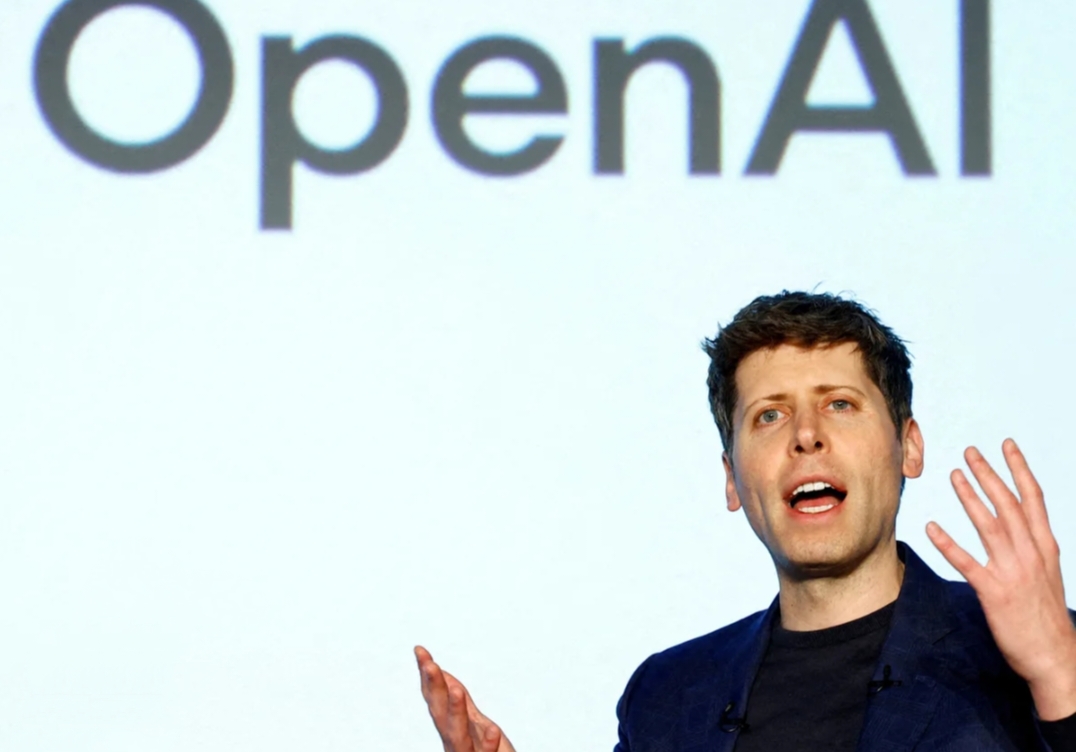
OpenAI has officially expanded its latest generation of AI models with the launch of GPT-5.4 Mini and GPT-5.4 Nano, marking a significant step in making advanced AI more accessible and efficient.
The GPT-5.4 Mini model is being rolled out to Free and “Go” tier users, where it will serve as the primary reasoning model. According to early reports, Mini delivers nearly twice the speed of its predecessor while maintaining strong capabilities in reasoning and coding tasks. This balance of performance and efficiency is expected to enhance everyday AI usage, from problem-solving to software development.
A key highlight of GPT-5.4 Mini is its massive 400,000-token context window, enabling it to process and retain large amounts of information in a single interaction. This makes it particularly useful for complex workflows, long documents, and multi-step tasks.
In addition, the model is designed to function as a real-time “sub-agent,” meaning it can handle smaller tasks within larger AI-driven systems. This opens the door for more modular and scalable AI applications, where multiple agents collaborate seamlessly.
Alongside Mini, OpenAI has also launched GPT-5.4 Nano, a lightweight version tailored for developers. Nano focuses on efficiency and speed, making it suitable for applications that require quick responses with lower computational costs.
Together, these releases reflect OpenAI’s strategy to broaden its AI ecosystem—offering powerful tools not just for enterprises, but also for everyday users and developers building next-generation applications.
Community Insights
0 Community Insights