·
Google Launches Gemini 3.1 Flash Live: New "Chat Import" Feature Simplifies Switching AI Ecosystems
Google has officially released Gemini 3.1 Flash Live, introducing a breakthrough "Live" architecture designed for real-time interaction. The update's most disruptive feature is the ability to import chat history and memory from competing chatbots, effectively removing the "walled garden" barrier and allowing users to migrate their personalized AI data and context seamlessly into the Google ecosystem.
Intelligence Brief
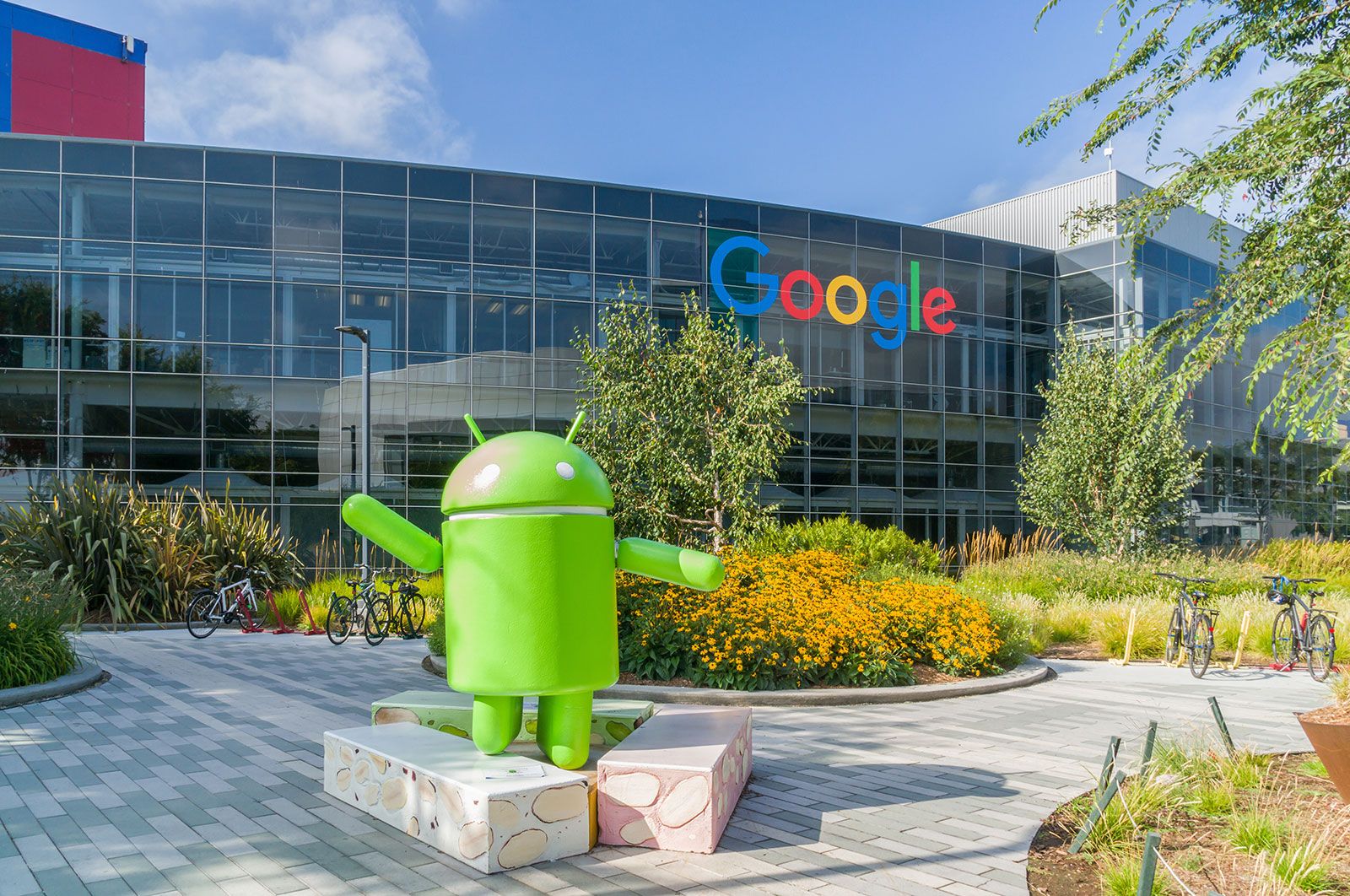
Google Shakes Up the AI Market with Gemini 3.1 Flash Live and Universal Memory Import
In a strategic move to dominate the personal AI assistant space, Google has announced the official rollout of Gemini 3.1 Flash Live. While the "Flash" line was originally known for its speed and efficiency, this "Live" iteration focuses on low-latency, real-time multimodal capabilities and, more importantly, user portability.
Breaking Down the Walled Gardens
The headline feature of this release is a first-of-its-kind Context Migration Tool. For years, users have felt "locked in" to specific AI platforms like OpenAI’s ChatGPT or Anthropic’s Claude because of the months—or years—of personalized memory and project history stored within those threads.
Google’s new tool allows users to upload exported data from other services, which Gemini 3.1 Flash Live then parses to rebuild a persistent "memory." This means your previous preferences, ongoing coding projects, and specific writing styles are instantly recognized by Gemini, making the switch between ecosystems frictionless.
The "Live" Advantage
Beyond data portability, the Gemini 3.1 Flash Live model is optimized for:
Zero-Lag Conversations: Near-instantaneous voice and text responses that mimic human dialogue flow.
Dynamic Context Window: An expanded ability to "remember" massive amounts of data within a single session without losing coherence.
Ecosystem Integration: Deep-level synchronization with Google Workspace, allowing the AI to act on the imported data across Docs, Gmail, and Drive.
Why It Matters for SEO and Content Creators
For developers and site owners—especially those building AI news and blog platforms—this move signals a shift toward "Agentic Portability." As AI models become more commoditized, the value lies in the user's data. Google’s willingness to ingest data from competitors suggests a new era of open AI standards, where the best user experience—rather than data lock-in—will determine market leadership.
This update positions Google as a central hub for users who have experimented with various LLMs but are looking for a unified, high-speed environment to house all their digital intelligence.
Community Insights
0 Community Insights